Filter by

Motion
How does sound measure the ocean? Why do magnets work? Easy explanations of how and why things work, colorful photos, and simple diagrams help readers learn and understand basic physics in our world.
- Edition
- -
- ISBN/ISSN
- 9780736851589
- Collation
- 24 pages : illustration ; 20 cm
- Series Title
- Our Physical World
- Call Number
- 531 OLI

What Is water?
Introduces the basic elements of water and describes water as a liquid, a solid, and a gas. Includes an activity.
- Edition
- -
- ISBN/ISSN
- 9780736837040
- Collation
- 24 pages : illustration ; 21 cm
- Series Title
- Water All Around
- Call Number
- 553.7 OLI
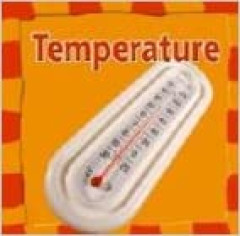
Temperature
Introduces temperature, along with melting, freezing, and how to measure temperature. Includes an activity, and information on Anders Celsius.
- Edition
- -
- ISBN/ISSN
- 9780736851596
- Collation
- 24 pages : illustration ; 20 cm
- Series Title
- Our Physical World
- Call Number
- 536 OLI
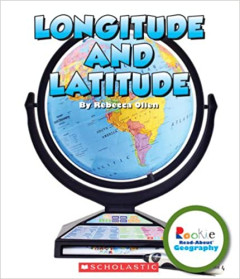
Longitude and latitude
Maps provide a variety of important information, from weather patterns to the locations of roads and streets. Longitude and latitude are one of the key concepts involved in using maps. Readers will learn the difference between the two types of lines and how to find them on both maps and globes. They will also discover how the lines can be used to pinpoint locations and give directions.
- Edition
- -
- ISBN/ISSN
- 9780531289631
- Collation
- 32 pages : illustration : 18 cm
- Series Title
- Rookie Read About Geography
- Call Number
- 912 OLI

Making water
Describes how cities treat freshwater so that it is safe to drink. Includes an activity.
- Edition
- -
- ISBN/ISSN
- 9780736837033
- Collation
- 24 pages : illustration ; 22 cm
- Series Title
- Water All Around
- Call Number
- 553.7 OLI
 Computer Science, Information & General Works
  Philosophy & Psychology
  Religion
  Social Sciences
  Language
  Pure Science
  Applied Sciences
  Art & Recreation
  Literature
  History & Geography