Filter by

Cereals
This is an introduction to the world of cereals. The text shows why cereals are an important group of plants, why they don't have colourful flowers, and how farmers collect the grain from cereal plants.
- Edition
- -
- ISBN/ISSN
- 9781404237025
- Collation
- 24 pages : illustration ; 23 cm
- Series Title
- See How Plants Grow
- Call Number
- 623.1 EDW
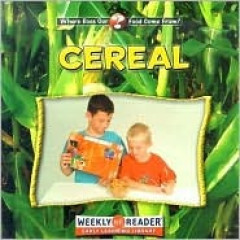
Cereal
From orchards and fields to our tables, the foods we eat can undergo we eat many different processes. The books in the series Where Our Food Come From? describe what happens along the way. Each title explains the steps involved in producing one well-known type of food. Simple graphics and colorful photographs enhance the information and help readers understand the concept of healthy eating. Whe…
- Edition
- -
- ISBN/ISSN
- 0836840658
- Collation
- 24 pages : illustration ; 18 cm
- Series Title
- Where Does Our Food Come From?
- Call Number
- 664 MAY
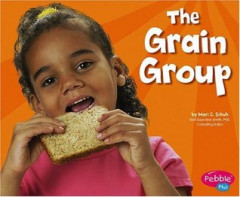
The grain group
Text and photographs present the grain group, the foods in the group, and examples of healthy eating choices.
- Edition
- -
- ISBN/ISSN
- 9780736853712
- Collation
- 24 pages : illustration ; 23 cm
- Series Title
- Healthy Eating with MyPyramid
- Call Number
- 641.3 SCH
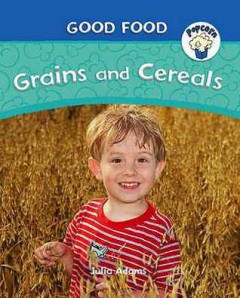
Grains and cereals
This book aims to develop children's understanding of nutrition and where their food comes from. Exploring a major food group, it explains how grains and cereals are produced and how they can be stored and prepared. It aids the teaching of Design and technology at Early Years and Key Stage 1, whilst also developing communication and literacy skills in young readers. Children are introduced to t…
- Edition
- -
- ISBN/ISSN
- 9780750294379
- Collation
- 24 pages : illustration ; 22 cm
- Series Title
- Popcorn
- Call Number
- 642 ADA

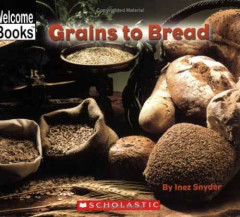
Grains to bread
Emergent-reader nonfiction takes on a whole new face! Consistent print placement, predictable text patterns, and strong picture clues make this series ideal for emergent readers. All Welcome Books are positioned in the middle Early Intervention range (8-13) and have been thoroughly reviewed and approved by our distinguished reading advisory board.
- Edition
- -
- ISBN/ISSN
- 051625197X
- Collation
- 24 pages : illustration ; 15 cm
- Series Title
- How Things Are Made
- Call Number
- 641.8 SNY

Die kleine rote Henne und die Weizenkörner : The Little Red Hen and the grai…
Little Red Hen finds some grains of wheat but when she ask the cat, the dog and the goose to help her plant them, they are all too busy. When Little Red Hen has finally grown the wheat, harvested it,turned it into flour and baked the bread the others are only to willing to help her eat it - but will she let them?
- Edition
- -
- ISBN/ISSN
- 9781846112157
- Collation
- 32 pages : illustration ; 23 cm
- Series Title
- -
- Call Number
- F55
 Computer Science, Information & General Works
  Philosophy & Psychology
  Religion
  Social Sciences
  Language
  Pure Science
  Applied Sciences
  Art & Recreation
  Literature
  History & Geography