Filter by
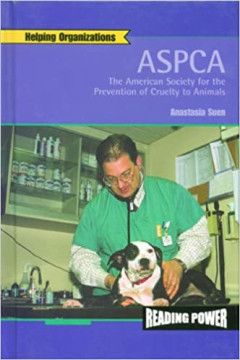
Aspca : the american society for the prevention of cruelty to animals
Discusses the history of the ASPCA, the oldest humane organization in the United States, and explaines the different ways it helps animal
- Edition
- -
- ISBN/ISSN
- 9780823960040
- Collation
- 24 pages : illustration ; 23 cm
- Series Title
- Helping Organizations
- Call Number
- 366 SUE
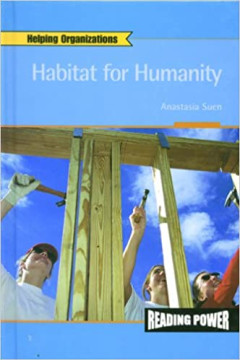
Habitat for humanity
Looks at the organization Habitat for Humanity International, which builds houses for low-income families.
- Edition
- -
- ISBN/ISSN
- 9780823960064
- Collation
- 24 pages : illustration ; 23 cm
- Series Title
- Helping Organizations
- Call Number
- 366 SUE

Clean planet : stopping litter and pollution
An introduction to the idea that we are constantly faced with pollution, visible such as litter and invisible such as contaminated drinking water. The idea that we cause most of the pollution in our world, that no one is “safe” from it, and that we can clean it up with effort. How children are proportionally more affected by pollution than adults.
- Edition
- -
- ISBN/ISSN
- 9781403468468
- Collation
- 32 pages : illustration ; 24 cm
- Series Title
- Heinemann Infosearch
- Call Number
- 363.7 BIN

Environmental awareness : solid waste
Focuses on managing the many types of solid waste and the hazards they pose, and teaches readers how they can help in waste reduction efforts
- Edition
- -
- ISBN/ISSN
- 0944280285
- Collation
- 32 pages : illustration ; 21 cm
- Series Title
- -
- Call Number
- 363.7 SNO
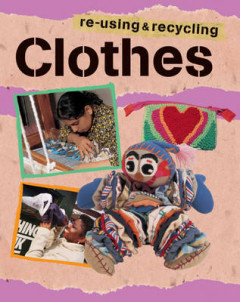
Recycling & reusing clothes
A fascinating insight into the way materials are re-used or recycled all around the world
- Edition
- -
- ISBN/ISSN
- 9781583409398
- Collation
- 32 pages : illustration ; 27 cm
- Series Title
- -
- Call Number
- 363.7 THO

Your environment : recycling
Recycling looks at what we throw away, how rubbish can be made into something new and how we can avoid creating waste in the first place.
- Edition
- -
- ISBN/ISSN
- 9780749675325
- Collation
- 32 pages : illustration ; 26 cm
- Series Title
- -
- Call Number
- 363.7 GRE
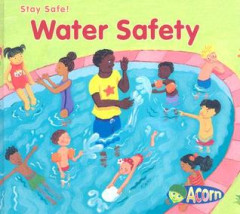
Water safety
With colorful artwork and simple text, books in this series introduce children to safety principles in different contexts. In 'Water Safety, ' children view various situations that show how to stay safe in and around water.
- Edition
- -
- ISBN/ISSN
- 9781403498557
- Collation
- 24 pages : illustration ; 17 cm
- Series Title
- Stay Safe!
- Call Number
- 363.1 BAR
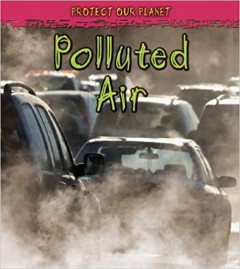
Polluted air
What is air pollution? Why is air pollution dangerous? Which inventions can help us to reduce air pollution? People are doing things that are putting our planet in danger. Discover what they are doing and how other people are trying to make things better. Every person can make a difference. Find out what you can do to help protect our planet.
- Edition
- -
- ISBN/ISSN
- 9781432909253
- Collation
- 32 pages : illustration ; 22 cm
- Series Title
- Protect Our Planet
- Call Number
- 363.7 ROY
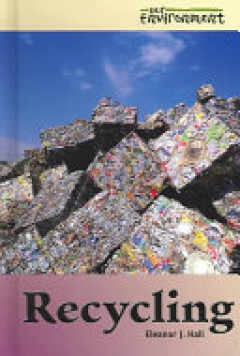
Recycling
The widespread recycling of aluminum, glass, and paper is one of the environmental success stories of the last thirty years. Recycling details the handling of these precious resources and highlights the importance of recycling to the environment.
- Edition
- -
- ISBN/ISSN
- 9780737715170
- Collation
- 48 pages : illustration ; 23 cm
- Series Title
- Our Environment
- Call Number
- 363.7 HAL

The stinking story of garbage
This great beginning reading book presents the history of garbage and methods of controlling it, with a fun-to-read story and easy-to-read text. It is designed for those who have just started reading alone.
- Edition
- -
- ISBN/ISSN
- 9780794517502
- Collation
- 64 pages : illustration ; 20 cm
- Series Title
- Usborne Young Reading
- Call Number
- 363.7 DAY
 Computer Science, Information & General Works
 Philosophy & Psychology
 Religion
 Social Sciences
 Language
 Pure Science
 Applied Sciences
 Art & Recreation
 Literature
 History & Geography