Filter by
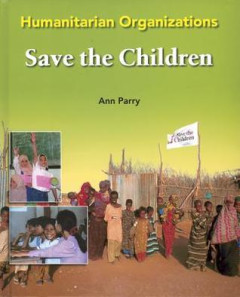
Humanitarian organizations : save the children
Save the Children is an international relief and development organization that was founded in 1919 and now operates in more than 100 countries around the world. Learn more about how this organization is working to ensure the rights of children to lead safe and healthy lives.
- Edition
- -
- ISBN/ISSN
- 9780791088166
- Collation
- 32 pages : illustration ; 28 cm
- Series Title
- -
- Call Number
- 366 PAR

Greenpeace
Highlights the history, membership, mission, goals, and achievements of Greenpeace. Includes human interest stories, maps, timelines, Web sites, and suggestions for further reading.
- Edition
- -
- ISBN/ISSN
- 9781590360200
- Collation
- 32 pages : illustration ; 26 cm
- Series Title
- International Organizations
- Call Number
- 366 OST
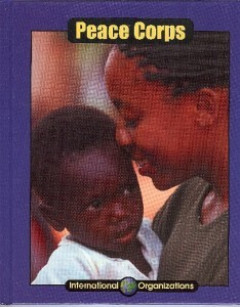
Peace corps
Peace Corps workers are called volunteers because they do not work for money. Instead, they gain valuable life skills while they are away. Many learn foreign languages and important career skills. Peace Corps volunteers return to the United States richly rewarded by the personal satisfaction of helping others.
- Edition
- -
- ISBN/ISSN
- 9781590360231
- Collation
- 32 pages : illustration ; 26 cm
- Series Title
- International Organizations
- Call Number
- 366 PET
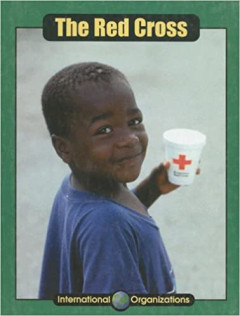
The red cross
Provides a history of the Red Cross, including its members, mission, goals, and achievements, plus case studies of individuals who have benefited from the work of this international service organization.
- Edition
- -
- ISBN/ISSN
- 9781590360194
- Collation
- 32 pages : illustration ; 26 cm
- Series Title
- International Organizations
- Call Number
- 366 MCL
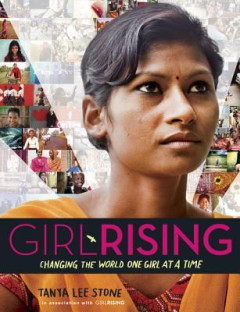
Girl Rising : changing the world one girl at a time
Worldwide, over 62 million girls are not in school. But one girl with courage is a revolution. Girl Rising, a global campaign for girls’ education, created a film that chronicled the stories of nine girls in the developing world, allowing viewers the opportunity to witness how education can break the cycle of poverty. Now, award-winning author Tanya Lee Stone uses new research to illum…
- Edition
- -
- ISBN/ISSN
- 9780553511468
- Collation
- 193 pages : illustration ; 23 cm
- Series Title
- -
- Call Number
- 371.822 STO
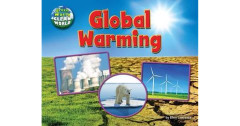
Global warming
What are fossil fuels, and why is it a bad thing to use them? How are greenhouse gases damaging our planet? What is global warming, and how is it changing Earth? How can switching off a light or walking instead of riding in the car help solve the problem? Global Warming introduces young readers to the problems connected to the use of fossil fuels, the creation of greenhouse gases, and the chang…
- Edition
- -
- ISBN/ISSN
- 9781627241045
- Collation
- 24 pages : illustration ; 21 cm
- Series Title
- Green World Clean World
- Call Number
- 363.738 LAW
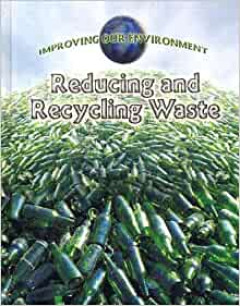
Reducing and recycling waste
Discusses various ways to reuse and recycle materials that are polluting our environment.
- Edition
- -
- ISBN/ISSN
- 9780836844290
- Collation
- 32 pages : illustration ; 27 cm
- Series Title
- Improving Our Environment
- Call Number
- 363.7 INS
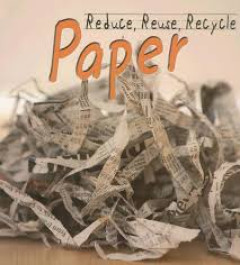
Paper
Read 'Paper' to discover where paper comes from, how it is made and used, and how paper waste affects the environment. Learn how paper can be reused and recycled, and how to reduce your own paper waste.
- Edition
- -
- ISBN/ISSN
- 9781403497123
- Collation
- 32 pages : illustration ; 22 cm
- Series Title
- Reduce, Reuse, Recycle
- Call Number
- 363.7 FIX
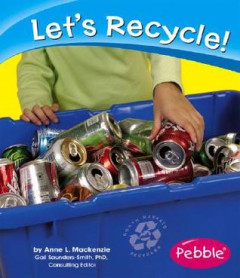
Let's recycle!
Text and photographs describe recycling, explains why it is important, and provides simple ways that children can recycle.
- Edition
- -
- ISBN/ISSN
- 9780736862230
- Collation
- 24 pages : illustration ; 18 cm
- Series Title
- Caring for the Earth
- Call Number
- 363.7 MAC

Something old, something new : recycling
Waste is a big problem for our planet. We have to find places to put all the waste we throw away, and we are running out of space. Besides, every time we throw something away, we waste precious materials. Waste is bad for the environment. It can harm and kill plants and animals, including humans.
- Edition
- -
- ISBN/ISSN
- 9781403468437
- Collation
- 32 pages : illustration ; 24 cm
- Series Title
- Heinemann Infosearch You Can Save the Planet
- Call Number
- 363.7 GAN
 Computer Science, Information & General Works
  Philosophy & Psychology
  Religion
  Social Sciences
  Language
  Pure Science
  Applied Sciences
  Art & Recreation
  Literature
  History & Geography