Filter by
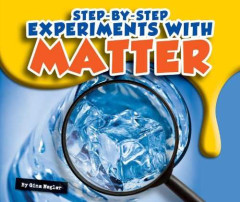
Step-by-step experiments with matter
Introduces the study of matter and the steps in the scientific method and outlines simple experiments that demonstrate the three main states of matter and how scientists work.
- Edition
- -
- ISBN/ISSN
- 9781609735906
- Collation
- 32 pages : illustration ; 21 cm
- Series Title
- -
- Call Number
- 507 HAG
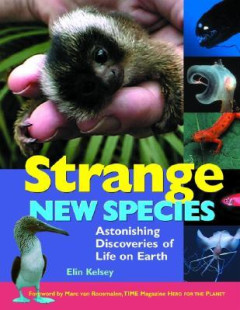
Strange new species : astonishing discoveries of life on earth
Adventure and discovery await in the depths of the oceans, on the Earth’s varied surfaces, in the vast expanse of sky, and beyond. Advanced technologies have enabled scientists to study new species in parts of the world that were once impossible to visit. Researchers estimate that between five and 100 million new species still await discovery. Strange New Species takes young readers into the …
- Edition
- -
- ISBN/ISSN
- 9781897066317
- Collation
- 96 pages : illustration ; 28 cm
- Series Title
- -
- Call Number
- 578 KEL

The bacteria book : the big world of really tiny microbes
In this fun, fact-packed science book for kids, young readers will discover the bacteria, viruses, and other germs and microbes that keep our bodies and our world running, as well as how and when they can be harmful and the precautions we can take to prevent them from becoming so. Meet a glowing squid, traveling fungus spores, and much more. The Bacteria Book walks the line between ew, gross…
- Edition
- -
- ISBN/ISSN
- 9781465470287
- Collation
- 72 pages : illustration ; 28 cm
- Series Title
- -
- Call Number
- 579 MOU
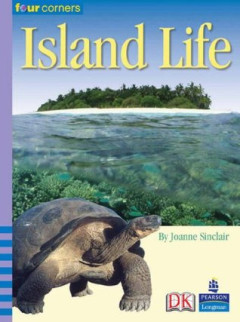
Island life
Read about life on the islands of Jamaica, New Zealand, the Galapagos Island and Prince Edward Island and discover what makes them similar and what makes them different.
- Edition
- -
- ISBN/ISSN
- 07339942873
- Collation
- 24 pages : illustration ; 23 cm
- Series Title
- Four Corners
- Call Number
- 578.7 SIN

Changing shores
Complete Classroom Library includes one each of the following: Math Library Science Library Social Studies Library Content Area Classroom Libraries include: 1 display box containing 10 6-packs (60 little books) 1 Teacher Resource Portfolio 1 Assessment Book (where available) Classroom Library Add-on Packs include 1 copy of each title from the social studies, science, and math libraries. …
- Edition
- -
- ISBN/ISSN
- 9780733942686
- Collation
- 24 pages : illustration ; 23 cm
- Series Title
- Four corner
- Call Number
- 578.7 JEN

Plagues : the microscopic battlefield
In PLAGUES, we get to know the critters behind history's worst diseases. We delve into the biology and mechanisms of infections, diseases, and immunity, and also the incredible effect that technology and medical science have had on humanity's ability to contain and treat disease. Every volume of Science Comics offers a complete introduction to a particular topic--dinosaurs, coral reefs, the …
- Edition
- -
- ISBN/ISSN
- 9781626727526
- Collation
- 122 pages : illustration ; 21 cm
- Series Title
- Science comics
- Call Number
- 579 KOC

Earth's changing coasts
This new geography series introduces and explores earth's landforms. Coverage includes all key aspects of physical geography--Why does this landform exist? How was it formed? How was it altered? How has erosion come into play? Affects of humans on the landform are delivered largely through case studies and are used to open up the possibility of comparing & contrasting.
- Edition
- -
- ISBN/ISSN
- 9781410901781
- Collation
- 32 pages : illustration ; 27 cm
- Series Title
- Landscapes and people
- Call Number
- 577.5 MOR

My science book of growth
Can you inflate a balloon using yeast and sugar? Do you know what happens if you plant a bean upside down? Finding out about science becomes fun with this exciting new series of practical activity books.
- Edition
- -
- ISBN/ISSN
- 0863185878
- Collation
- 29 pages : illustration ; 24 cm
- Series Title
- -
- Call Number
- 571 ARD
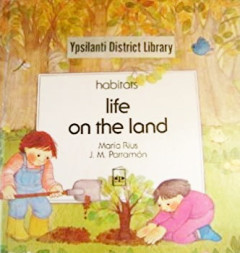
Life on the land
A tall tree in a forest explains to a tiny tree about how plants and animals are nourished and are dependent on each other. Includes factual information on plants and their importance to people.
- Edition
- -
- ISBN/ISSN
- 9780812038644
- Collation
- 32 pages : illustration ; 21 cm
- Series Title
- Habitats
- Call Number
- 577 RIU
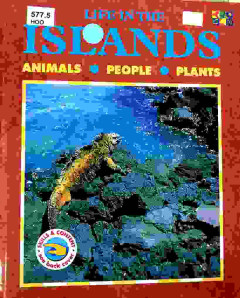
Life on the islands
Full of stunning photographs and illustrations, Life in the island offers an exciting introduction to all forms of islands life. The book focuses particularly on how people have damage the environment and how best to improve it.
- Edition
- -
- ISBN/ISSN
- 1587285533
- Collation
- 31 pages : illustration ; 27 cm
- Series Title
- Two-Can Ecology Book
- Call Number
- 577.5 HOO
 Computer Science, Information & General Works
  Philosophy & Psychology
  Religion
  Social Sciences
  Language
  Pure Science
  Applied Sciences
  Art & Recreation
  Literature
  History & Geography