Filter by
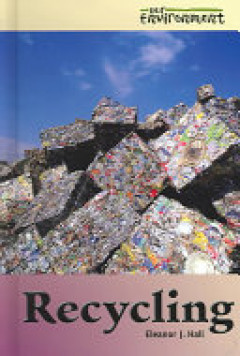
Recycling
The widespread recycling of aluminum, glass, and paper is one of the environmental success stories of the last thirty years. Recycling details the handling of these precious resources and highlights the importance of recycling to the environment.
- Edition
- -
- ISBN/ISSN
- 9780737715170
- Collation
- 48 pages : illustration ; 23 cm
- Series Title
- Our Environment
- Call Number
- 363.7 HAL

The stinking story of garbage
This great beginning reading book presents the history of garbage and methods of controlling it, with a fun-to-read story and easy-to-read text. It is designed for those who have just started reading alone.
- Edition
- -
- ISBN/ISSN
- 9780794517502
- Collation
- 64 pages : illustration ; 20 cm
- Series Title
- Usborne Young Reading
- Call Number
- 363.7 DAY
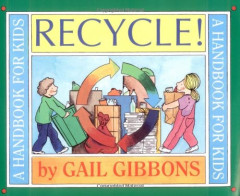
Recycle! : a handbook for kids
Where does all the garbage go after we throw it out? Find out how it can be used again. This lively and informative book explains the process of recycling from start to finish. Recycle! focuses on five different types of rubbish: paper, glass, aluminium cans, plastic and polystyrene. This behind-the-scenes look at recycling offers fascinating facts and helpful tips for cleaning up our enviro…
- Edition
- -
- ISBN/ISSN
- 9780316309431
- Collation
- 32 pages : illustration ; 20 cm
- Series Title
- -
- Call Number
- 363.7 GIB
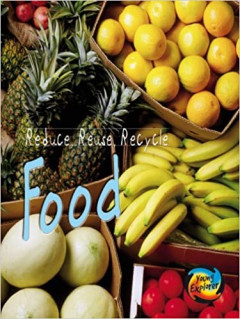
Food
Read 'Food' to discover how food gets from a farm to the grocery store. Learn how food waste can be recycled, the benefits of buying food that is grown locally, and how to reduce your own food waste.
- Edition
- -
- ISBN/ISSN
- 9781403497130
- Collation
- 32 pages : illustration ; 22 cm
- Series Title
- Reduce, Reuse, Recycle
- Call Number
- 363.7 FIX
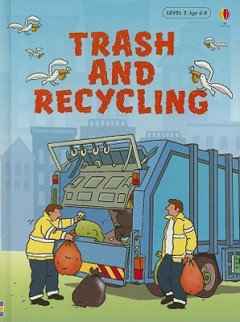
Trash and recycling
Have you ever wondered what happens to the things you throw away? In this book you can find out more about trash and follow its journey to be buried, burned, or recycled into something new.
- Edition
- -
- ISBN/ISSN
- 9780794514006
- Collation
- 32 pages : illustration ; 21 cm
- Series Title
- -
- Call Number
- 363.7 TUR
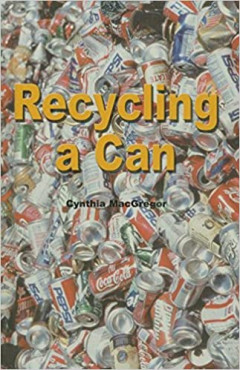
Recycling a can
Follows an aluminum can from the time it is collected for recycling, through ninety days of different processing steps, to a new can that is ready for use.
- Edition
- -
- ISBN/ISSN
- 9780823937448
- Collation
- 24 pages : illustration ; 22 cm
- Series Title
- -
- Call Number
- 363.7 MAC
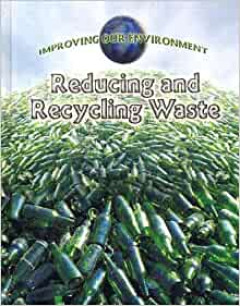
Reducing and recycling waste
Discusses various ways to reuse and recycle materials that are polluting our environment.
- Edition
- -
- ISBN/ISSN
- 9780836844290
- Collation
- 32 pages : illustration ; 27 cm
- Series Title
- Improving Our Environment
- Call Number
- 363.7 INS
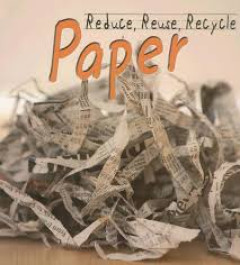
Paper
Read 'Paper' to discover where paper comes from, how it is made and used, and how paper waste affects the environment. Learn how paper can be reused and recycled, and how to reduce your own paper waste.
- Edition
- -
- ISBN/ISSN
- 9781403497123
- Collation
- 32 pages : illustration ; 22 cm
- Series Title
- Reduce, Reuse, Recycle
- Call Number
- 363.7 FIX
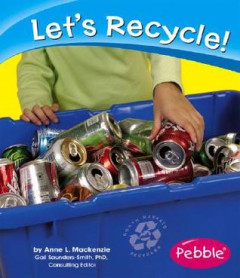
Let's recycle!
Text and photographs describe recycling, explains why it is important, and provides simple ways that children can recycle.
- Edition
- -
- ISBN/ISSN
- 9780736862230
- Collation
- 24 pages : illustration ; 18 cm
- Series Title
- Caring for the Earth
- Call Number
- 363.7 MAC

Something old, something new : recycling
Waste is a big problem for our planet. We have to find places to put all the waste we throw away, and we are running out of space. Besides, every time we throw something away, we waste precious materials. Waste is bad for the environment. It can harm and kill plants and animals, including humans.
- Edition
- -
- ISBN/ISSN
- 9781403468437
- Collation
- 32 pages : illustration ; 24 cm
- Series Title
- Heinemann Infosearch You Can Save the Planet
- Call Number
- 363.7 GAN
 Computer Science, Information & General Works
  Philosophy & Psychology
  Religion
  Social Sciences
  Language
  Pure Science
  Applied Sciences
  Art & Recreation
  Literature
  History & Geography