Filter by
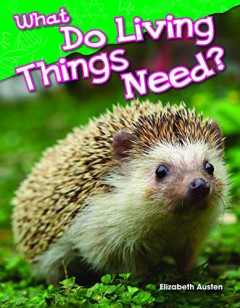
What do living things need?
What do living things need to survive? Find out in this colorful science reader! Discover that living things need light, food, water, air, space, homes, protection, and more! The easy-to-read text and vibrant images will keep young readers engaged from start to finish. This reader also includes a fun science activity and practice problems to give students additional practice in sorting living a…
- Edition
- -
- ISBN/ISSN
- 9781493811335
- Collation
- 24 pages : illustration ; 23 cm
- Series Title
- -
- Call Number
- 570 AUS
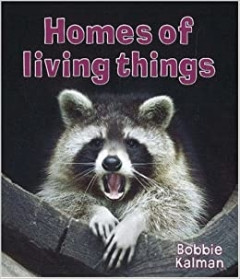
Homes of living things
Describes the homes that different kinds of animals live in, including a bear's cave, a raccoon's den in a hollow log, a squirrel's nest, a prairie dog's burrow, and a bee's hive.
- Edition
- -
- ISBN/ISSN
- 9780778732280
- Collation
- 24 pages : illustration ; 24 cm
- Series Title
- -
- Call Number
- 570 KAL
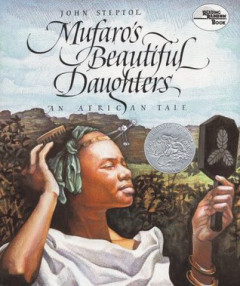
Mufaro's beautiful daughters : an African tale
Inspired by a traditional African folktale, this is the story of Mufaro, who is proud of his two beautiful daughters. Nyasha is kind and considerate, but everyone—except Mufaro—knows that Manyara is selfish and bad-tempered. When the Great King decides to take a wife and invites the most worthy and beautiful daughters in the land to appear before him, Mufaro brings both of his daughtersâ…
- Edition
- -
- ISBN/ISSN
- 9780688040451
- Collation
- 32 pages : illustration ; 28 cm
- Series Title
- -
- Call Number
- 398.12 STE
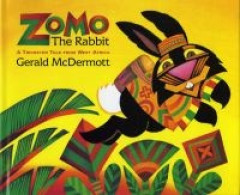
Zomo the rabbit : a trickster tale from West Africa
Zomo the Rabbit is a prominent member of the family of animal tricksters that populate the traditional tales of West Africa. These humorous stories of mischief and cunning are told to instruct as well as to entertain and have been kept alive by the powerful oral traditions of the African peoples.
- Edition
- -
- ISBN/ISSN
- 9781415592663
- Collation
- 32 pages : illustration ; 23 cm
- Series Title
- -
- Call Number
- 398.2 MCD
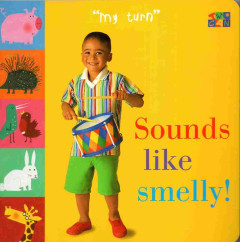
Sounds like smelly!
Sturdy board books filled with photographs of children and bright, bold images of animals and objects. The beginning vocabulary makes it easy for children to read along and name the things they recognize in the pictures. Crisp photographs portray a multicultural view of the world.
- Edition
- -
- ISBN/ISSN
- 9781587280115
- Collation
- 12 pages : illustration ; 21 cm
- Series Title
- -
- Call Number
- -
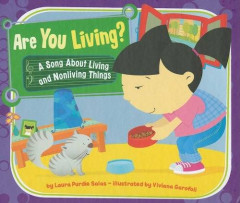
Are you living? : a song about living and nonliving things
Sing a song of science! You know the song Are You Sleeping? Sing along with new words that explain the differences between living and nonliving things.
- Edition
- -
- ISBN/ISSN
- 9781404853027
- Collation
- 24 pages : illustration ; 23 cm
- Series Title
- -
- Call Number
- 570 SAL

Plants are living things
Most plants have roots, stems, and leaves. Whether they live in oceans, forests, or marshes, plants use these parts to make their own food. This easy-to-understand book introduces children to the basics of photosynthesis and food chains. It also looks at the different ways in which plants grow.
- Edition
- -
- ISBN/ISSN
- 9780778732334
- Collation
- 24 pages : illustration ; 24 cm
- Series Title
- -
- Call Number
- 570 KAL
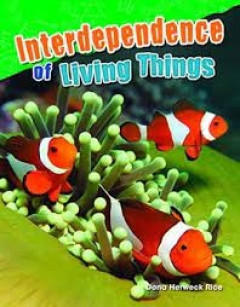
Interpendence of living things
Interdependence of Living Things is an informational text that explains interdependence, food webs, ecosystems, and independence. A two-page activity invites students to explore how the parts of an ecosystem are related. The book is divided into sections with some subsections. Sentences vary in length and complexity. Illustrations, labeled photographs, and diagrams support the text. Punctuat…
- Edition
- -
- ISBN/ISSN
- 9781480745995
- Collation
- 32 pages : illustration ; 22 cm
- Series Title
- -
- Call Number
- 570 RIC
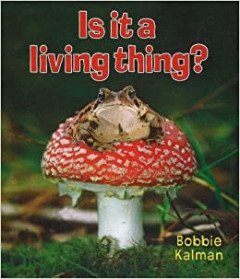
Is it a living thing?
How can children tell when something is living or non-living? In large photographs and easy text, this captivating book highlights the characteristics of living things and shows how they are all dependent on non-living things to stay alive.
- Edition
- -
- ISBN/ISSN
- 9780778732303
- Collation
- 24 pages : illustration ; 24 cm
- Series Title
- -
- Call Number
- 570 KAL
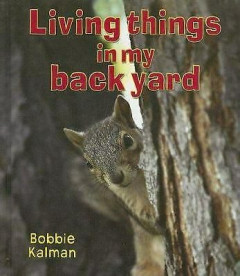
Living things in back yard
Do you have a back yard? A back yard is full of living things. Plants are living things. Animals are living things. You are a living thing, too!
- Edition
- -
- ISBN/ISSN
- 9780778732310
- Collation
- 24 pages : illustration ; 24 cm
- Series Title
- -
- Call Number
- 570 KAL
 Computer Science, Information & General Works
  Philosophy & Psychology
  Religion
  Social Sciences
  Language
  Pure Science
  Applied Sciences
  Art & Recreation
  Literature
  History & Geography