Filter by
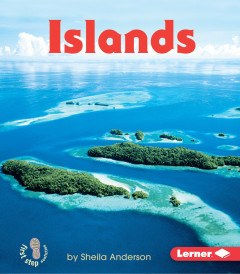

Islands
Through stunning photographs and simple text, the books in this series introduce landforms and their characteristics. In this book, children learn about the features of islands, where islands are found, and what makes islands unique.
- Edition
- -
- ISBN/ISSN
- 9781403484437
- Collation
- 24 pages : illustration ; 17 cm
- Series Title
- Landforms
- Call Number
- 551.4 MAY

Mountains : geology, natural history, & ecosystems
This top-selling series introduces the wild creatures of the world and examines the natural world. Good general introductions for ages 10+, these volumes contain the knowledge, personal experiences, and research of leading naturalists and scientists, accompanied by stunning photography. Unless otherwise noted (*), all volumes are sturdy paperback.
- Edition
- -
- ISBN/ISSN
- 9780896582514
- Collation
- 72 pages : illustration ; 22 cm
- Series Title
- -
- Call Number
- 551.43

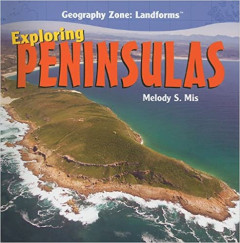
Exploring peninsulas
Discover Earth's amazing peninsulas in this fun and informative book. Readers will learn about the formation of peninsulas, learn about different kinds, and explore some of the world's most famous peninsulas. Stunning photography captures the natural beauty and life on this landform.
- Edition
- -
- ISBN/ISSN
- 9781435827110
- Collation
- 24 pages : illustration ; 21 cm
- Series Title
- Geography Zone: Landforms
- Call Number
- 551.41 MIS
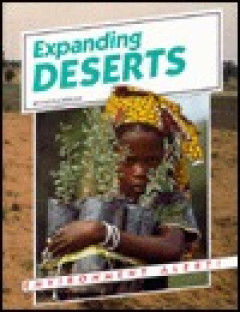
Expanding deserts
Discusses the causes of desertification, its consequences, and what can be done to stop the spread of deserts.
- Edition
- -
- ISBN/ISSN
- 9780836804744
- Collation
- 32 pages : illustration : 26 cm
- Series Title
- Environment alert
- Call Number
- 551.41 HOG

I wonder why the Sahara is cold at night, and other questions about deserts
Children love asking questions. The answers to all those questions about the desert, such as "Who ate ants?", "How do plants survive in the desert?", and "Where do cars race across the desert? are answered in this fabulous book.
- Edition
- -
- ISBN/ISSN
- 9780753408049
- Collation
- 32 pages : illustration : 28 cm
- Series Title
- -
- Call Number
- 551.41 GAF

Light : look out!
What kind of light is invisible? What makes the colors of a rainbow? How can light bed a spoon? Take a closer look at the science we use every day! From the moment we get up in the morning and all through the day and night, find out about the science in your life.
- Edition
- -
- ISBN/ISSN
- 1410915514
- Collation
- 32 pages : illustration : 26 cm
- Series Title
- Science In Your Life
- Call Number
- 535 SAD
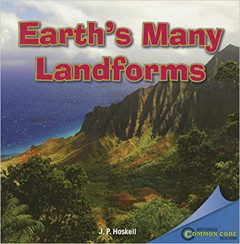
Earth's many landforms
Earth's Many Landforms is aligned to the Common Core State Standards for English/Language Arts, addressing Literacy.RI.1.6 and Literacy.L.1.4. Large color photographs of glaciers, valleys, canyons, plateaus, volcanoes, mountains, plains, and islands along with descriptive text demonstrate the varied types of landforms throughout the world. This book should be paired with “Exploring Earth's Su…
- Edition
- -
- ISBN/ISSN
- 9781448890521
- Collation
- 24 pages : illustration ; 20 cm
- Series Title
- -
- Call Number
- 551.41 HAS

Happy animals' ABC
- Edition
- -
- ISBN/ISSN
- 9780709720751
- Collation
- 28 pages : illustration ; 16 cm
- Series Title
- -
- Call Number
- 411 WIN
- Edition
- -
- ISBN/ISSN
- 9780709720751
- Collation
- 28 pages : illustration ; 16 cm
- Series Title
- -
- Call Number
- 411 WIN
 Computer Science, Information & General Works
  Philosophy & Psychology
  Religion
  Social Sciences
  Language
  Pure Science
  Applied Sciences
  Art & Recreation
  Literature
  History & Geography