Filter by

Life in the deserts
Kids are deeply concerned about the state of their world. These titles show how the environment was damaged and how it can be repaired.
- Edition
- -
- ISBN/ISSN
- 9780590461290
- Collation
- 31 pages : illustration ; 26 cm
- Series Title
- -
- Call Number
- 551.41 BAK

In the forest
Just try to keep these books on the shelves! Children can't resist "diving" into these brightly colored books to explore their favorite topics. Young scientists will examine plant parts and animal features "up close" and then turn the page to see how these smaller parts fit into the "bigger picture." Children will take a close-up view of the powerful ears of a bat, the thorny stem of a blackber…
- Edition
- -
- ISBN/ISSN
- 9781574712186
- Collation
- 16 pages : illustration ; 15 cm
- Series Title
- Look Once Look Again
- Call Number
- 577.3 KON

Plants and planteaters
Two new books on indigenous peoples and conservation have been added to naturalist Michael Chinery's exciting series Secrets of the Rainforest. Each colorful book shows us the wonderful array of plants and animals that live in the lush wildernesses of the world's tropical rainforests. Acting as the earth's lungs, the rainforests are of vital importance to the planet and to the many indigenous p…
- Edition
- -
- ISBN/ISSN
- 9780778702184
- Collation
- 32 pages : illustration : 26 cm
- Series Title
- Secrets of the rain forest
- Call Number
- 577.3 CHI
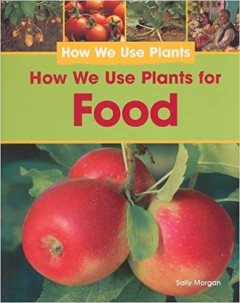
How we use plants for food
Describes the ways in which human beings use plants as food, discussing cereals, vegetables, fruits, seeds, plant oils, herbs and spices, and sugar.
- Edition
- -
- ISBN/ISSN
- 9781404244214
- Collation
- 32 pages : illustration : 27 cm
- Series Title
- How We Use Plants
- Call Number
- 641.3 MOR

The world of plants
- Edition
- -
- ISBN/ISSN
- 0716660148
- Collation
- 192 pages : illustration ; 25 cm
- Series Title
- World Book's Childcraft
- Call Number
- 000 CHI
- Edition
- -
- ISBN/ISSN
- 0716660148
- Collation
- 192 pages : illustration ; 25 cm
- Series Title
- World Book's Childcraft
- Call Number
- 000 CHI

Experiments with plants and other living things
Presents an introduction to the science of plants and other living things, provides illustrated, step-by-step instructions for twelve experiments designed to reinforce student knowledge of the topic, and in.
- Edition
- -
- ISBN/ISSN
- 9781435832190
- Collation
- 32 pages : illustration : 27 cm
- Series Title
- Science lab
- Call Number
- 570 COO
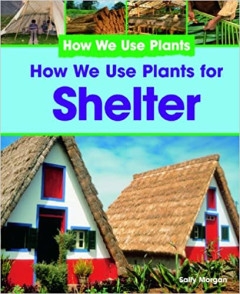
How we use plants for shelter
Plants are made into materials used to build both the exterior and interior of different kinds of shelters. Some of these materials are wood, timber, straw, and bamboo; and paint, flooring and walls. Readers also learn how to build a model hut!
- Edition
- -
- ISBN/ISSN
- 9781404244221
- Collation
- 32 pages : illustration : 27 cm
- Series Title
- How We Use Plants
- Call Number
- 690 MOR
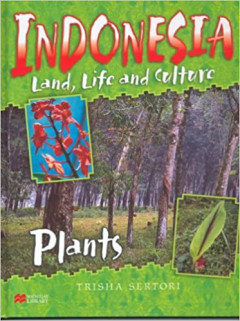
Plants
Indonesia offers a captivating first-hand account of life in one of Australias closest and most important neighbours. Its valuable insights into the daily life, culture, traditions and beliefs of the Indonesian people were all gained through first-hand interviews.
- Edition
- -
- ISBN/ISSN
- 9781420205046
- Collation
- 32 pages : illustration : 28 cm
- Series Title
- Indonesia: Land, Life and Culture
- Call Number
- 959.8 SER
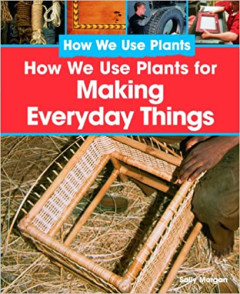
How we use plants for making everyday things
Many of the things we use each day are made from plants. Readers may not realize that the clothes they wear or the rubber tires on their bicycle are made from plants. This new title covers several plant-based items from fabrics to paper. Students will have the opportunity to participate in the process as they learn how to make their own paper!
- Edition
- -
- ISBN/ISSN
- 9781404244245
- Collation
- 32 pages : illustration : 27 cm
- Series Title
- How We Use Plants
- Call Number
- 745.5 MOR
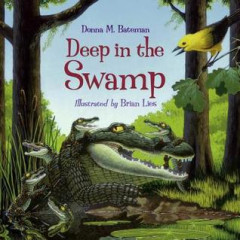
Deep in the swamp
Count from 1 otter pup to 10 baby crayfish as readers learn about the special relationships of baby and mom mammals, reptiles, birds, and insects that make their home in the Okefenokee Swamp. A helpful guide to swamp flora and fauna is included. Modeled after the song "Over in the Meadow" by Olive A. Wadsworth.
- Edition
- -
- ISBN/ISSN
- 9780545066952
- Collation
- 32 pages : illustration ; 22 cm
- Series Title
- -
- Call Number
- 591.7 BAT
 Computer Science, Information & General Works
  Philosophy & Psychology
  Religion
  Social Sciences
  Language
  Pure Science
  Applied Sciences
  Art & Recreation
  Literature
  History & Geography