Filter by

Vanishing habitats and species
Disasters caused by human actions or natural forces often dramatically affect both the environment and civilization. Using personal accounts, well-organized information, and dramatic photos, this series provides an in-depth look at the challenges of various life-threatening crises.
- Edition
- -
- ISBN/ISSN
- 888728091062K
- Collation
- 32 pages : illustration ; 28 cm
- Series Title
- Man- Made Disaster
- Call Number
- 577 WAL

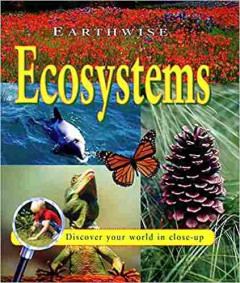
Ecosystems
Supporting the National Curriculum, each book in this series encourages readers aged between seven and ten to observe and record their environment. This title looks at the living things around us, how they work with each other and the world around them.
- Edition
- -
- ISBN/ISSN
- 9780749681401
- Collation
- 32 pages : illustration ; 26 cm
- Series Title
- Earthwise
- Call Number
- 577 PIP

Earth's changing coasts
This new geography series introduces and explores earth's landforms. Coverage includes all key aspects of physical geography--Why does this landform exist? How was it formed? How was it altered? How has erosion come into play? Affects of humans on the landform are delivered largely through case studies and are used to open up the possibility of comparing & contrasting.
- Edition
- -
- ISBN/ISSN
- 9781410901781
- Collation
- 32 pages : illustration ; 27 cm
- Series Title
- Landscapes and people
- Call Number
- 577.5 MOR
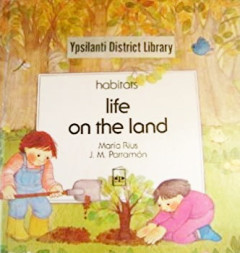
Life on the land
A tall tree in a forest explains to a tiny tree about how plants and animals are nourished and are dependent on each other. Includes factual information on plants and their importance to people.
- Edition
- -
- ISBN/ISSN
- 9780812038644
- Collation
- 32 pages : illustration ; 21 cm
- Series Title
- Habitats
- Call Number
- 577 RIU
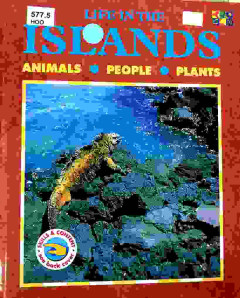
Life on the islands
Full of stunning photographs and illustrations, Life in the island offers an exciting introduction to all forms of islands life. The book focuses particularly on how people have damage the environment and how best to improve it.
- Edition
- -
- ISBN/ISSN
- 1587285533
- Collation
- 31 pages : illustration ; 27 cm
- Series Title
- Two-Can Ecology Book
- Call Number
- 577.5 HOO
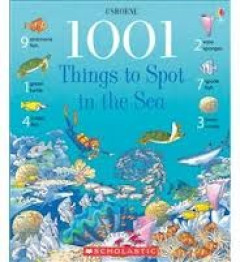
1001 things to spot in the sea
Each double page of this picture book invites youngsters to discover things in the sea. Simple text and colourful scenes bursting with things to spot combine to help children develop skills in reading, counting, matching and identification.
- Edition
- -
- ISBN/ISSN
- 9780439643955
- Collation
- 32 pages : illustration ; 26 cm
- Series Title
- -
- Call Number
- 793.7 DAY


The Lorax
"UNLESS someone like you...cares a whole awful lot...nothing is going to get better...It's not." Long before saving the earth became a global concern, Dr. Seuss, speaking through his character the Lorax, warned against mindless progress and the danger it posed to the earth's natural beauty. His classic cautionary tale is now available in an irresistible mini-edition, perfect for backpack or bri…
- Edition
- -
- ISBN/ISSN
- 9780394823379
- Collation
- 62 pages : illustration ; 28 cm
- Series Title
- -
- Call Number
- SE
 Computer Science, Information & General Works
  Philosophy & Psychology
  Religion
  Social Sciences
  Language
  Pure Science
  Applied Sciences
  Art & Recreation
  Literature
  History & Geography